If grace only gets bigger the more sin there is to answer for, as chapter 5 just finished arguing, doesn’t that make sin itself a kind of opportunity? Paul anticipates the question before any reader can even finish forming it, and spends this entire chapter refusing it — not with a new law, but with a baptism believers have already gone through, whether they have thought carefully about what it meant or not.
A study in Romans 6 · Arthur Baldwin · StandUp4Jesus.Org · 13 min read
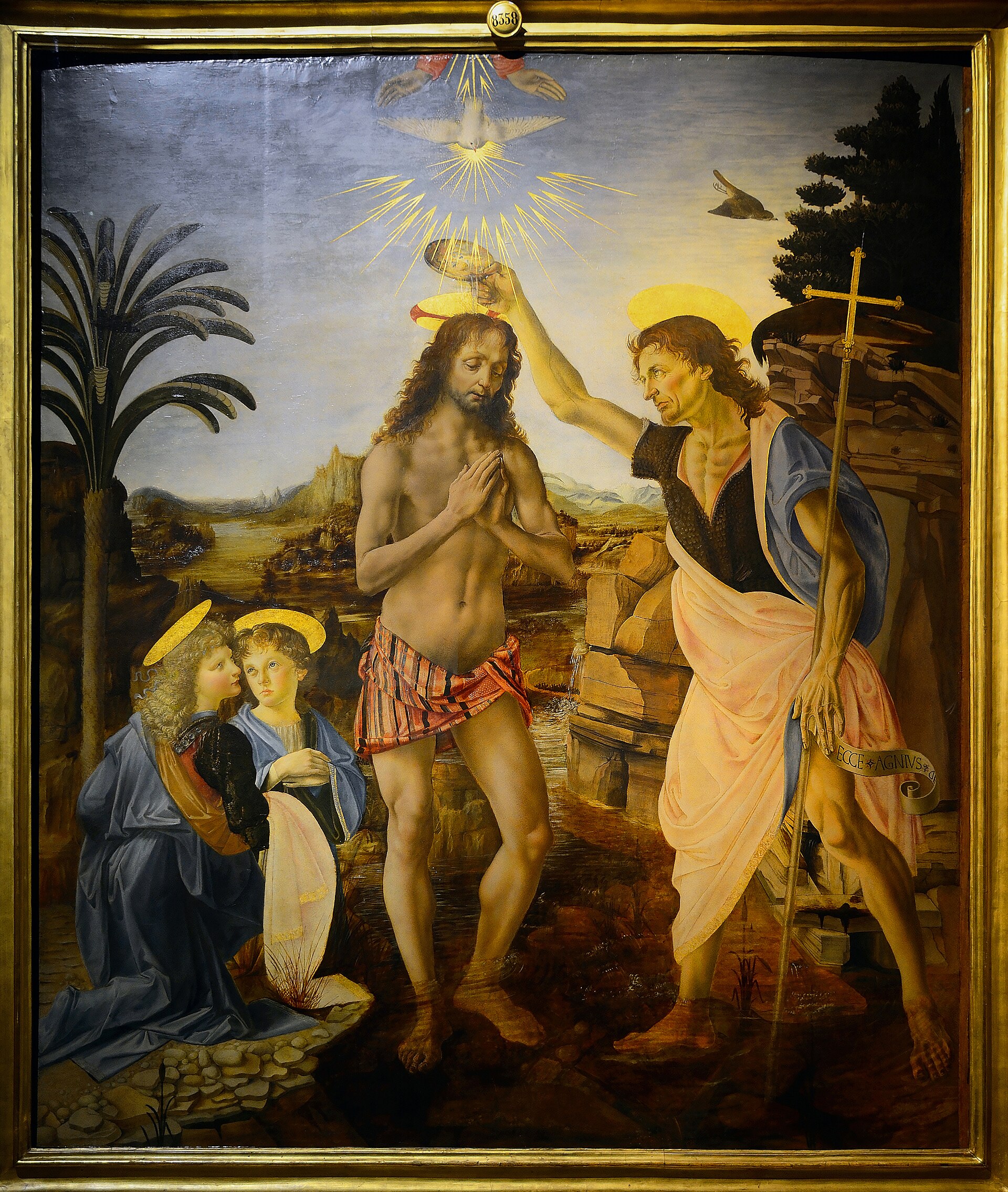
Buried With Him By Baptism
“What shall we say then? Shall we continue in sin, that grace may abound? God forbid. How shall we, that are dead to sin, live any longer therein?”
Romans 6:1-2
This is the same slander chapter 3 already answered once — “let us do evil, that good may come” — returning now in a more sophisticated theological disguise, dressed up as a serious inference from chapter 5’s own doctrine of abounding grace rather than an outright accusation.
“Know ye not, that so many of us as were baptized into Jesus Christ were baptized into his death? Therefore we are buried with him by baptism into death: that like as Christ was raised up from the dead by the glory of the Father, even so we also should walk in newness of life.”
Romans 6:3-4
“The resurrection of Christ is commemorated by our being buried with Him by baptism, and raised out of the watery grave, in likeness of His resurrection, to live in newness of life.”
Ellen G. White · Early Writings, p. 217
Paul’s answer to the question is not a new argument but a reminder of something the Roman believers had already physically done. Baptism itself already answers the objection — going under the water as a burial, coming up as a resurrection, a public reenactment of exactly the death-to-life pattern that makes continuing in sin unthinkable.
“We declared ourselves dead, and our life hid with Christ in God, that henceforth we should walk with Him in newness of life, as men and women having experienced the new birth. We acknowledged God’s covenant with us, and pledged ourselves to seek those things which are above, where Christ sitteth on the right hand of God.”
Ellen G. White · The SDA Bible Commentary, vol. 1, p. 1120
This study’s own source calls baptism a pledge, and the word is chosen carefully — not a private feeling but a public, witnessed vow, the same kind of binding declaration a soldier or a citizen might make, taken here before God, angels, and the watching congregation.
Dead Indeed Unto Sin, But Alive Unto God
“For if we have been planted together in the likeness of his death, we shall be also in the likeness of his resurrection: Knowing this, that our old man is crucified with him, that the body of sin might be destroyed, that henceforth we should not serve sin.”
Romans 6:5-6
“Our old man is crucified” places the believer’s own transformation on the same timeline as Calvary itself — not a fresh, separate execution years later at the moment of decision, but something already accomplished in the crucifixion the believer is united to by faith.
“For he that is dead is freed from sin. Now if we be dead with Christ, we believe that we shall also live with him.”
Romans 6:7-8
Paul’s logic here rests on something everyone already accepts about ordinary death: a dead man is simply beyond the reach of whatever used to control him. If sin’s claim on a person depends on that person being alive to it, death genuinely ends the claim — and this death, Paul insists, has already happened.
“Knowing that Christ being raised from the dead dieth no more; death hath no more dominion over him. For in that he died, he died unto sin once: but in that he liveth, he liveth unto God.”
Romans 6:9-10
“Once” is a small word carrying real theological weight — Christ’s death dealt with sin completely and permanently, requiring no repetition, which is exactly why the death believers share with Him through baptism does not need to be repeated either.
“Likewise reckon ye also yourselves to be dead indeed unto sin, but alive unto God through Jesus Christ our Lord.”
Romans 6:11
“Reckon” is an accounting term, a deliberate act of counting something as true and then acting on that count — not a feeling to be worked up, but a fact to be believed and then lived out, whether the old impulses have fully caught up with the new reality yet or not.
Not Under The Law, But Under Grace
“Let not sin therefore reign in your mortal body, that ye should obey it in the lusts thereof. Neither yield ye your members as instruments of unrighteousness unto sin: but yield yourselves unto God, as those that are alive from the dead, and your members as instruments of righteousness unto God.”
Romans 6:12-13
“Professed Christians, if no further light is given you than that contained in this text, you will be without excuse if you suffer yourselves to be controlled by base passions.”
Ellen G. White · Counsels on Health, p. 569
Notice this is a command to a body that is already, doctrinally speaking, dead to sin’s authority — the point is not to earn that death but to stop acting as though it never happened, refusing to hand back the members of one’s own body to an old master with no remaining legal claim on them.
“For sin shall not have dominion over you: for ye are not under the law, but under grace.”
Romans 6:14
“Not under the law, but under grace” is not permission to disregard the law — the very next verse will make that explicit — but a statement about which power actually has authority to condemn. The law can diagnose sin perfectly; only grace can break its dominion.
Servants Of Righteousness
“What then? shall we sin, because we are not under the law, but under grace? God forbid. Know ye not, that to whom ye yield yourselves servants to obey, his servants ye are to whom ye obey; whether of sin unto death, or of obedience unto righteousness?”
Romans 6:15-16
“‘His servants ye are to whom ye obey.’ … If we indulge anger, lust, covetousness, hatred, selfishness, or any other sin, we become servants of sin. … If we serve sin, we cannot serve Christ.”
Ellen G. White · The Sanctified Life, p. 92
Paul makes a claim here that leaves no neutral ground standing: there is no such thing as an unowned, self-governing life. Everyone is already a servant of one master or the other; the only real question is which one, and whoever is actually being obeyed answers that question honestly, regardless of what anyone claims to believe.
“But God be thanked, that ye were the servants of sin, but ye have obeyed from the heart that form of doctrine which was delivered you. Being then made free from sin, ye became the servants of righteousness.”
Romans 6:17-18
“From the heart” separates real obedience from mere outward conformity — this is not a group that switched masters out of fear or habit, but one whose obedience Paul describes as reaching all the way to the inner motive, the same standard chapter 2 already used to expose the hypocrite Jew who taught what he did not practice.
“I speak after the manner of men because of the infirmity of your flesh: for as ye have yielded your members servants to uncleanness and to iniquity unto iniquity; even so now yield your members servants to righteousness unto holiness.”
Romans 6:19
Paul apologizes, in effect, for using slavery as an illustration at all — “I speak after the manner of men” — but keeps using it anyway, because the same intensity that once went into serving sin is exactly the intensity this new service is meant to receive, not a diminished, half-hearted version of it.
The Wages Of Sin Is Death
“For when ye were the servants of sin, ye were free from righteousness. What fruit had ye then in those things whereof ye are now ashamed? for the end of those things is death.”
Romans 6:20-21
“Free from righteousness” is a deliberately bitter irony — the very freedom sin promises turns out to be freedom from the one thing actually worth having, and the shame Paul’s readers already feel about their own past is itself offered here as quiet evidence that the old master was never a good one.
“But now being made free from sin, and become servants to God, ye have your fruit unto holiness, and the end everlasting life.”
Romans 6:22
Both paths in this chapter produce fruit and lead to an end; the whole difference is which fruit and which end. Sin’s own harvest is something its former servants are now ashamed of; righteousness’s harvest is holiness itself, ending not in death but in life that does not end.
“For the wages of sin is death; but the gift of God is eternal life through Jesus Christ our Lord.”
Romans 6:23
“‘The wages of sin is death; but the gift of God is eternal life through Jesus Christ our Lord.’ While life is the inheritance of the righteous, death is the portion of the wicked. … The death referred to in these scriptures is not that pronounced upon Adam, for all mankind suffer the penalty of his transgression. It is ‘the second death’ that is placed in contrast with everlasting life.”
Ellen G. White · The Great Controversy, p. 544
This study’s own source draws out a careful distinction easy to miss on a fast reading: the death every human being already faces from Adam is not the death this verse is warning about. The wages this verse names is the second, final death — and it is set against a gift, not a wage, on the other side of the ledger, since nothing earned could ever have purchased eternal life in the first place.
