Paul shifts from doctrine into deeply personal pleading. Having just established that believers are heirs, not servants, he now asks the Galatians why they would trade that inheritance for the very bondage a child grows out of. The chapter’s emotional register runs the full range — tender memory of their first affectionate welcome of him, real anguish over their present drift, and finally a bold Old Testament allegory that reframes the entire controversy in the sharpest possible terms.
A study in Galatians 4 · Arthur Baldwin · StandUp4Jesus.Org · 16 min read
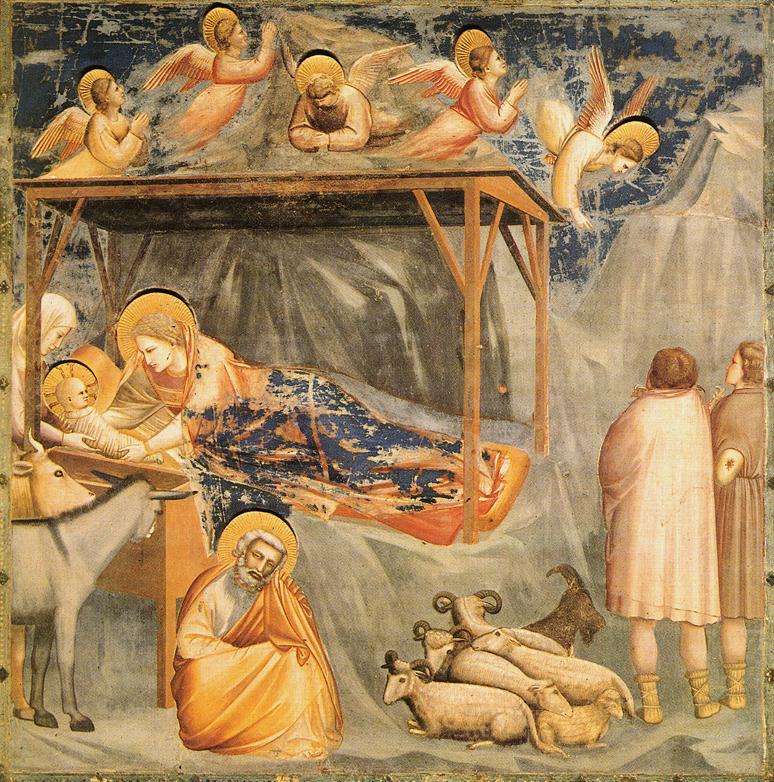
The Fulness Of The Time Was Come
“Now I say, That the heir, as long as he is a child, differeth nothing from a servant, though he be lord of all; But is under tutors and governors until the time appointed of the father. Even so we, when we were children, were in bondage under the elements of the world.”
Galatians 4:1-3
Paul extends the schoolmaster picture from chapter 3 — even an heir who legally owns everything lives no differently than a servant until the appointed time, under guardians rather than in possession of the inheritance itself.
“But when the fulness of the time was come, God sent forth his Son, made of a woman, made under the law, To redeem them that were under the law, that we might receive the adoption of sons.”
Galatians 4:4-5
“But in heaven’s council the hour for the coming of Christ had been determined; and ‘when the fullness of the time was come, God sent forth His Son, … to redeem them that were under the law, that we might receive the adoption of sons.’”
Ellen G. White · Prophets and Kings, p. 700
This study’s own source places this verse at the end of a very long wait — centuries of prophecy, including Daniel’s own timeline of the Messiah’s coming, largely uncomprehended even by those who should have understood it. The “fulness of the time” was not a vague phrase but an hour heaven itself had fixed in advance, arriving exactly on schedule despite every appearance to the contrary on earth.
“And because ye are sons, God hath sent forth the Spirit of his Son into your hearts, crying, Abba, Father. Wherefore thou art no more a servant, but a son; and if a son, then an heir of God through Christ.”
Galatians 4:6-7
“Abba, Father” is an intimate, almost childlike word, and Paul chooses it deliberately — sonship changes not just legal status but the very way a believer is now able to address God.
“Howbeit then, when ye knew not God, ye did service unto them which by nature are no gods. But now, after that ye have known God, or rather are known of God, how turn ye again to the weak and beggarly elements, whereunto ye desire again to be in bondage? Ye observe days, and months, and times, and years.”
Galatians 4:8-10
What makes this reversal so striking is where it’s heading — not back toward paganism, but toward a scrupulous calendar of religious observance that looked, on the surface, like devotion. Paul calls it bondage all the same, precisely because it was being used as a means of earning standing with God rather than living out of the sonship already given.
“I am afraid of you, lest I have bestowed upon you labour in vain.”
Galatians 4:11
A single, unguarded sentence of real fear breaks through the argument — Paul’s labor among them hangs, in his own estimation, genuinely in the balance.
I Am As Ye Are
“Brethren, I beseech you, be as I am; for I am as ye are: ye have not injured me at all. Ye know how through infirmity of the flesh I preached the gospel unto you at the first.”
Galatians 4:12-13
“Paul’s manner of life while among the Galatians was such that he could afterward say, ‘I beseech you, be as I am.’ … His lips had been touched with a live coal from off the altar, and he was enabled to rise above bodily infirmities and to present Jesus as the sinner’s only hope.”
Ellen G. White · The Acts of the Apostles, p. 208
This study’s own source ties “be as I am” back to Paul’s own founding visit — a bodily “infirmity of the flesh” that might have discredited another preacher instead became, in Paul’s own ministry among them, the very occasion for presenting Christ with unmistakable power.
“And my temptation which was in my flesh ye despised not, nor rejected; but received me as an angel of God, even as Christ Jesus. Where is then the blessedness ye spake of? for I bear you record, that, if it had been possible, ye would have plucked out your own eyes, and have given them to me.”
Galatians 4:14-15
The Galatians’ first response to Paul was extravagant devotion, “as an angel of God” — which makes the present situation genuinely painful for Paul to describe. Something has clearly changed, and not in the Galatians’ affection for Paul so much as in whom they are now willing to trust.
“Am I therefore become your enemy, because I tell you the truth? They zealously affect you, but not well; yea, they would exclude you, that ye might affect them. But it is good to be zealously affected always in a good thing, and not only when I am present with you.”
Galatians 4:16-18
Paul exposes the actual motive behind the rival teachers’ zeal — not concern for the Galatians’ good, but a bid to isolate them from Paul so their own influence could take his place.
My Little Children
“My little children, of whom I travail in birth again until Christ be formed in you, I desire to be present with you now, and to change my voice; for I stand in doubt of you.”
Galatians 4:19-20
“Travail in birth again” is maternal language from an apostle not shy about using it — the Galatians’ spiritual formation is not a completed, past event for Paul but an ongoing labor he is still, painfully, in the middle of.
“Tell me, ye that desire to be under the law, do ye not hear the law? For it is written, that Abraham had two sons, the one by a bondmaid, the other by a freewoman. But he who was of the bondwoman was born after the flesh; but he of the freewoman was by promise.”
Galatians 4:21-23
Paul turns to make his final argument from within the law itself — those insisting on Moses should actually listen to what the earlier Genesis narrative already says about the difference between a birth achieved by human effort and one that came purely by promise.
Which Things Are An Allegory
“Which things are an allegory: for these are the two covenants; the one from the mount Sinai, which gendereth to bondage, which is Agar. For this Agar is mount Sinai in Arabia, and answereth to Jerusalem which now is, and is in bondage with her children. But Jerusalem which is above is free, which is the mother of us all.”
Galatians 4:24-26
Paul’s allegory is deliberately provocative — Hagar, the slave woman, represents the Sinai covenant read as a means of earning standing with God, still in bondage; Sarah, the free woman, represents the promise, the “Jerusalem which is above.” He is not rejecting Sinai’s law itself so much as the bondage that results from trying to be justified by it.
“For it is written, Rejoice, thou barren that bearest not; break forth and cry, thou that travailest not: for the desolate hath many more children than she which hath an husband. Now we, brethren, as Isaac was, are the children of promise.”
Galatians 4:27-28
Every Gentile believer reading this letter is placed, by Paul’s own argument, in Isaac’s position — a child born purely by promise, with no natural claim of their own to Abraham’s blessing.
“But as then he that was born after the flesh persecuted him that was born after the Spirit, even so it is now. Nevertheless what saith the scripture? Cast out the bondwoman and her son: for the son of the bondwoman shall not be heir with the son of the freewoman.”
Galatians 4:29-30
Paul draws a direct line from Ishmael’s mockery of Isaac to the present conflict at Galatia — those pressing circumcision on the Gentile believers are, in his reading, playing exactly Ishmael’s old role again, and Scripture’s own verdict on that rivalry was decisive rather than diplomatic.
“So then, brethren, we are not children of the bondwoman, but of the free.”
Galatians 4:31
The chapter’s closing line states plainly which family the Galatians actually belong to. What follows in chapter 5 is Paul’s answer to the obvious next question: if freedom is the Galatians’ true inheritance, what is that freedom actually for?
